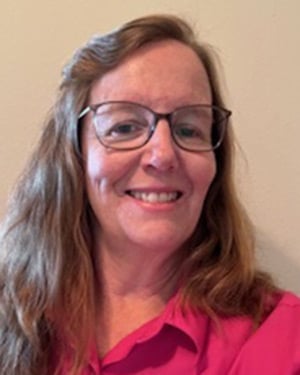
The Medical Device Single Audit Program (MDSAP) is a certification program many medical device manufacturers are incorporating into their quality system. The US Food and Drug Administration (FDA), Health Canada, Brazil Agência Nacional de Vigilância Sanitária (ANVISA), Australia Therapeutic Good Administration (TGA), and Japan Ministry of Health, Labour and Welfare are the five regulatory agencies that have adopted MDSAP. Once a manufacturer obtains MDSAP Certification, the five participating regulatory agencies accept that the manufacturer’s quality systems have been determined to be in substantial compliance and will not inspect or audit the manufacturer unless they have a reason to believe that the company may be out of compliance because of something that particular regulatory agency discovered.
As a member of the Certified Group and Food Safety Net Services, EAS clients have access to world-renowned testing laboratories that meet your organization’s sophisticated needs. In this column, you’ll hear about their capabilities, environmental challenges and more. We hope you’ll enjoy a look “under the microscope.”
Reviewed and Approved by Lisa El-Shall, Senior Director Drugs and Devices, EAS Consulting Group
1-Minute Summary
21 CFR 211 outlines cGMPs for OTC drug laboratory testing, crucial for product safety and compliance.
Mandatory tests include conformance to your specifications for identity and strength of each active ingredient for components, in-process materials, and finished drug products.
Stability testing is also required to establish an expiration date.
Specialized testing is required for sterility and pyrogen-free claims in certain drugs.
Recordkeeping is critical, as per CFR 211.194 – In the eyes of the FDA, if it's not documented, it didn’t happen.
EAS is on the go. Find out about our latest seminars, webinars, speaking engagements, articles published in industry journals, tradeshows and more!
Tim Lombardo Presenting at 2024 Petfood Forum
EAS Senior Director for Food and Beverage Consulting Services Tim Lombardo will present Pet Food Safety and Regulatory Updates during the 2024 Petfood Forum covering pet food FSMA compliance.
Presented by Paula Brock, Ph.D., MCSI, EAS Senior Regulatory Consultant February 22, 2024
The Modernization of Cosmetics Regulations Act of 2022 (MoCRA) became effective in December 2023 and includes a requirement for safety substantiation. MoCRA is an amendment to the Federal Food, Drug, and Cosmetic (FD&C) Act from 1938. According to MoCRA, “a responsible person is required to ensure and maintain records supporting adequate safety substantiation of their cosmetic product.” Besides safety substantiation, MoCRA includes mandatory registration of facilities (and updated every 2 years), registration of product ingredients (product listing), and reporting of serious adverse events (online via MedWatch). With perspectives from pharmacologists/toxicologists and regulatory experts, this seminar will provide an overview of safety assessment of cosmetics.
Dietary Supplement Good Manufacturing Practices (GMP) Compliance Seminar
Presented by Shelly Blackwell, EAS Senior Director for Dietary Supplement and Tobacco Services and Jeb Hunter, EAS Senior Regulatory Consultant
February 27, 29, March 5, and 7, 2024
The GMPs dictated in 21 CFR 111 have been in place for over a decade, but the FDA continues to issue numerous Warning Letters to the industry for a failure to comply with even the basic tenets of the regulation. In light of increased FDA oversight, a thorough review of industry rules for Good Manufacturing Practices (GMPS) is warranted.
Presented by Paula Brock, PhD., EAS Senior Regulatory Consultant March 14, 2024
It is required in the United States that manufacturers and other advertisers of dietary supplements such as distributors, retailers, and endorsers, have adequate substantiation that the claims made about their products are “truthful and not misleading”. The Federal Trade Commission (FTC) released an update of their substantiation guideline in December 2022. Combined with the FTC guideline, the Food and Drug Administration (FDA) guidelines and regulation provide the framework for claims and claims substantiation for U.S. dietary supplements.
This two-hour training will be a scientific dive into the regulatory requirement of claims substantiation. Several topics including the following will be discussed along with real case examples: which types of evidence are available and where to find them; what are high quality and low quality evidence; when is the evidence irrelevant to the claim being made; and how to write claims that can be substantiated.
Do you have a regulatory question or concern? Are you interested in seeing a particular topic covered in a future issue of eNews? We want to hear from you! Use the EAS Contact Us form to send a note or question to our team any time.
Get Notified When Trainings Are Scheduled
Are you looking for training in a particular industry or regulatory topic? Review our list of available topics and sign up to be notified when your course of interest is scheduled next.
We’re Hiring Independent Contractors!
EAS is always interested in broadening our industry experience and expanding our independent consultant team. If you’re interested in joining EAS as a 1099 contract employee, please email your CV to Dean Cirotta at dcirotta@easconsultinggroup.com.
Consultant Corner
EAS offers over 150 independent consultants strategically located around the globe whose expertise provide core value for clients.
Kevin Walls works with a domestic and international client base on regulatory issues, compliance, submissions, and training for the Medical Device and IVD Industries. He has expert knowledge of US FDA, Health Canada and the European Medical Devices Directive regulations and his experience includes product approval/clearance submissions (e.g., 510(k)s, PMAs), combination Device/Drug submissions, Master Files for Devices (MAFs), Common Technical Document for Pharmaceutical Products, Medical Device (IDE) Clinical Trial Protocol Design, Management, Analysis and Report Writing, Quality System Manual and Quality System Procedure Origination, Design History File, CAPA, Complaint Handling, Process Control and Records Development, ISO 14971 Risk Management, FDA 483, Warning Letter and Notified Body Assessment Responses, FDA QSR and ISO 13485 Audits, Quality System Training, Auditing Medical Device and Pharmaceutical Clinical Trials, Import/Export Issues.
Beth Koenig is passionate about food safety and has experience in a variety of food processing environments with emphasis on dairy processing. She has successfully developed, implemented and maintained quality and food safety management systems to meet stringent customer and certification requirements. Experience as an auditor has provided her with insight into setting up successful programs. Her focus has been on SQF, ISO 9001, HACCP, FSMA, supplier management, environmental pathogen monitoring, State, FDA, USDA regulations, laboratory management and waste reduction. She has also managed facility infrastructure improvement projects and program development to meet infant grade processing requirements.

.jpg?upscale=true&width=720&upscale=true&name=Featured-Image-half-MDSAP(Walls).jpg)
.jpg?upscale=true&width=720&upscale=true&name=Featured-Image-Half-21-CFR-211(Certified).jpg)

.jpg?upscale=true&width=1120&upscale=true&name=Featured-Image-Half-2024-Petfood-Forum(Lombardo).jpg)
.jpg?upscale=true&width=1120&upscale=true&name=Featured-Image-Half-Natural-Products-Insider-Top-FDA-cGMP-citation-FY23-(Cirotta).jpg)
.jpg?upscale=true&width=1120&upscale=true&name=Featured-Image-Half-2024-Cosmetic-Safety-Substantiation(Brock).jpg)
.jpg?upscale=true&width=1120&upscale=true&name=Featured-Image-Half-2024-Spring-DS-GMP-(Blackwell-Hunter).jpg)
.jpg?upscale=true&width=1120&upscale=true&name=Featured-Image-Half-Claims-Substantiation(Brock).jpg)